
Subaru EyeSight Camera Calibration After Windshield Replacement — Bel Air, MD Drivers’ Guide
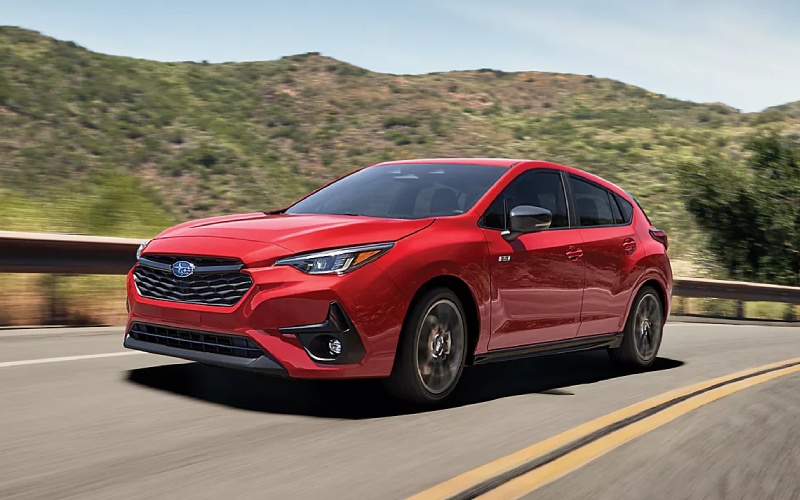
Jones Body Shop & Collision Center - Subaru EyeSight Camera Calibration After Windshield Replacement — Bel Air, MD Drivers’ Guide
Subaru EyeSight is impressively capable—until a cracked windshield or front-end collision nudges its stereo cameras out of spec. When glass changes, brackets shift, or structural panels move, the system’s depth perception can distort enough to trigger warnings or reduce braking support. That is why proper glass selection and precise camera calibration matter just as much as a clean install. The bracket must be mounted true, the glass must match OEM optical clarity and thickness, and the vehicle must sit level with correct tire sizes and a completed alignment before targets are placed.
Our approach starts with a pre-repair scan, careful inspection of the camera mount and forward structure, and strict environmental controls—consistent lighting, level floor, and a defined calibration zone. We confirm ride height and steering angle integrity, then perform the factory-specified static calibration with approved targets, followed by a dynamic verification drive when required. The process ends with a post-repair scan and a documented report for your records and insurer—proof that EyeSight functions as designed.
- Glass selection: Use OEM-grade windshields with correct optical properties and mounting tolerances for the stereo camera housing.
- Bracket integrity: Verify the camera bracket and gel pack are undistorted, clean, and firmly seated to prevent image drift.
- Preconditions: Confirm tire size, ride height, alignment, battery health, and fuel load per OEM spec before calibration.
- Calibration sequence: Follow Subaru’s static target setup, then conduct dynamic checks for lane, distance, and stop-and-go accuracy.
- Documentation: Capture pre/post scans, measurement screenshots, and target placement photos for insurer and owner confidence.
Real-world Bel Air driving magnifies small errors. Sun glare on Rt. 1, nighttime headlight bloom near Tollgate Road, and rain-slicked lanes can all test EyeSight’s object detection. If optical clarity is off by a fraction or the camera sits a degree out of plane, you might see erratic lane warnings, shortened cruise follow distances, or missed brake interventions. A proper calibration anchors EyeSight’s “vision” to the vehicle’s physics—its track width, thrust line, and steering angle—so the software interprets the world reliably, day and night.
Equally important: related systems affected by glass and front-end work. Rain/light sensors need correct gel application. Dash-mounted sensors and the driver monitoring system, where equipped, require careful handling and functional checks. Blind-spot detection and Rear Cross-Traffic Alert, anchored by rear corner radars, should be verified after quarter panel or bumper repairs. A complete, systems-thinking approach prevents lingering warnings and restores the quiet confidence you expect from a well-kept Subaru.
If you have a recent crack spreading across your field of view or a prior glass job that never quite cleared the warnings, schedule a thorough assessment. At Jones Body Shop & Collision Center, we calibrate EyeSight the way Subaru intends—methodically, with measured proofs you can trust—serving Bel Air, Forest Hill, and Jarrettsville. The payoff is straightforward: stable lane centering, accurate distance keeping in weekday traffic, and a vehicle that feels calm and predictable when conditions are not. That is how safety tech should work—silently in the background, ready when you need it.