

Structural or Cosmetic Auto Damage? A Driver's Guide near Bel Air, MD
After an accident, the first question many drivers ask is simple: is the damage only cosmetic, or did the impact affect the vehicle’s structure? The answer matters because cosmetic damage may involve paint, dents, trim, glass, or surface panels, while structural damage can affect the frame, unibody, suspension mounting points, crumple zones, or safety system performance. Jones Body Shop & Collision Center helps drivers understand that a vehicle can look only mildly damaged while still needing a deeper inspection, especially after a rear-end hit, side impact, curb strike, or front-end collision. Harford County roads near Bel Air, MD include busy intersections, commuter routes, rural lanes, and parking areas where low-speed and moderate impacts happen every day. A scuffed bumper cover may hide crushed absorbers, bent brackets, radar sensor movement, or a shifted trunk floor. A dented door may signal hinge, rocker, or pillar movement. Because modern vehicles are engineered with layered safety structures and advanced electronics, the safest approach is to evaluate both visible damage and hidden damage before deciding what repair is needed.
Visible Clues That Often Point to Cosmetic Damage
- Surface scratches: Paint marks, clear coat scuffs, and light transfer from another vehicle may be cosmetic if the panel shape, gaps, and mounting points remain normal.
- Small dents: Shallow dents on a door, fender, hood, or quarter panel may be repairable without major part replacement when no structural seam or body line is distorted.
- Minor bumper cover marks: A flexible bumper cover can show scratches or small impressions while the reinforcement, absorber, and sensors remain unaffected.
- Trim or molding issues: Loose clips, cracked moldings, or damaged emblems can often be addressed as exterior finish repairs when surrounding components align properly.
Cosmetic damage is still worth addressing correctly because paint scratches can expose underlying material, dents can reduce resale confidence, and misaligned trim can allow water, vibration, or wind noise. The key difference is that cosmetic damage does not usually compromise the vehicle’s crash management structure or alignment geometry. Even so, a professional inspection is important before assuming a repair is simple. What looks like a small parking lot scrape in the Bel Air area may include cracked tabs behind the bumper cover or a damaged headlamp bracket. A careful estimate should consider panel condition, paint matching, finish blending, part fit, glass condition, and whether electronic safety features are located behind the damaged area.
Signs the Accident May Have Caused Structural Damage
Structural damage involves more than what is visible from outside the vehicle. It can affect the unibody, frame rails, aprons, pillars, roof structure, floor pan, rocker panels, suspension pick-up points, or bumper reinforcement system. At Jones Body Shop & Collision Center, we focus on the way impact energy travels through a vehicle, not just the point where the damage appears. For example, a rear impact can affect the liftgate, trunk floor, rear body panel, exhaust mounts, backup sensors, blind spot monitoring components, and panel gaps. A front impact can involve radiator supports, hood latches, headlamps, fender aprons, bumper reinforcements, and advanced driver assistance sensors. Warning signs include doors that do not close smoothly, uneven gaps around the hood or trunk, pulling while driving, steering wheel vibration, fluid leaks, new warning lights, abnormal tire wear, or a vehicle that no longer sits level. Structural concerns can also appear after a wheel hits a curb or median because suspension movement may transfer force into mounting areas. If any of these symptoms appear, a visual walkaround is not enough. The vehicle may need measuring, disassembly, scanning, alignment checks, and repair planning based on manufacturer procedures.
How a Collision Center Separates Cosmetic Repairs from Structural Repairs
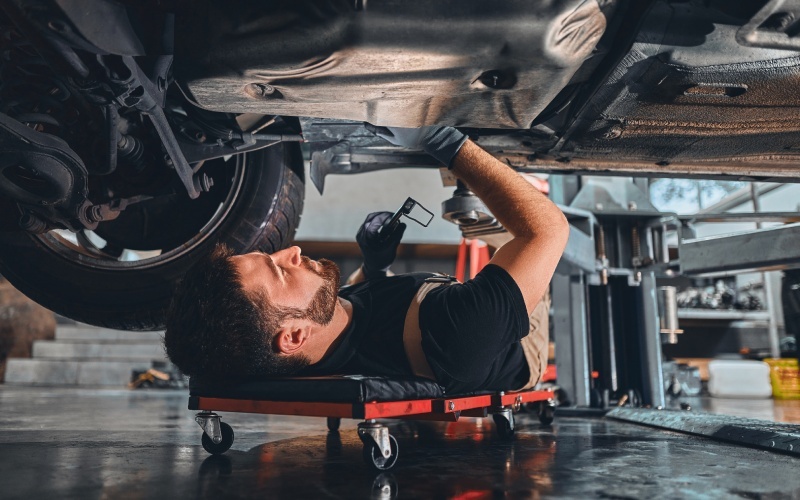
- Initial damage review: The estimator documents visible dents, paint damage, broken glass, panel gaps, lamp condition, trim movement, and bumper cover fit.
- Disassembly when needed: Removing covers, liners, lamps, or interior trim can reveal crushed absorbers, bent brackets, damaged welds, or shifted reinforcement parts.
- Electronic scanning: Diagnostic scans can identify fault codes from restraint systems, parking sensors, blind spot monitoring, camera systems, and other safety technologies.
- Measurement and alignment checks: Frame, unibody, suspension, and wheel alignment measurements help confirm whether the vehicle’s structure or geometry moved during impact.
This process helps avoid two common mistakes: repairing only the visible surface or assuming major damage without proper verification. Modern collision repair is a combination of craftsmanship, diagnostics, parts knowledge, and documentation. Our facility offers a wide range of body shop services, including collision damage repair, paint repair, windshield repair, paintless dent repair, interior restoration, towing support, rental options, and insurance integration. Because we work with all insurance companies and have direct agreements with many major carriers, communication can be more efficient during the estimate and repair planning stages. I-CAR Gold Class training also matters because vehicle materials and repair procedures continue to change across brands, body styles, and safety systems.
FAQ: Structural vs Cosmetic Damage Questions
Can a vehicle have structural damage if the bumper only has scratches?
Yes. A bumper cover is flexible and may return close to its original shape after impact. Hidden parts behind it, including absorbers, brackets, reinforcements, wiring, and sensors, can still be damaged.
Is paintless dent repair only for cosmetic damage?
Paintless dent repair is generally used for cosmetic dents where paint is intact and the panel structure has not been compromised. It is not appropriate for stretched metal, cracked paint, sharp creases, or damaged structural areas.
Will a warning light always appear after structural damage?
No. Some structural problems do not trigger a dashboard alert. Uneven panel gaps, water leaks, steering changes, or tire wear can be just as important as warning lights.
Should I drive my vehicle before an inspection?
If the vehicle pulls, leaks fluid, makes unusual noises, has damaged lights, or shows airbag or safety warnings, avoid driving until a professional review confirms safe operation.
Can insurance help determine the repair type?
Insurance can help with the claim process, but the repair plan should be based on inspection findings, manufacturer procedures, part availability, and safety requirements.
Schedule a Professional Damage Inspection near Bel Air, MD
The most reliable way to tell structural damage from cosmetic damage is to have the vehicle inspected by a qualified collision repair team before minor-looking damage turns into a larger safety or drivability concern. Jones Body Shop & Collision Center supports drivers with estimate assistance, collision damage repair, windshield repair, paintless dent repair, paint repair, frame repair capabilities, towing availability, rental vehicle support, and direct insurance communication with many major carriers. Our goal is to reduce uncertainty after an accident and help restore confidence in your vehicle’s appearance, fit, function, and safety systems. If you notice uneven gaps, cracked paint, warning lights, steering changes, water leaks, strange noises, or a bumper that does not sit correctly, it is time to take a closer look. Even if the damage seems cosmetic, an expert inspection can confirm the right next step. For collision repair near Bel Air, MD, reach out to our team and schedule an estimate so we can help you move forward with clear answers and professional repair guidance.
Make an Inquiry
* Indicates a required field