
Repairable vs. Totaled Vehicle Decisions near Bel Air, MD
After a collision, one of the first questions drivers ask is whether the vehicle can be repaired or will be declared a total loss. The answer is not based only on how the damage looks from the outside. Insurers compare repair cost, vehicle value, state rules, salvage value, safety concerns, and documented damage before making a decision. For drivers near Bel Air, MD, this can matter after crashes on busy commuter routes, in shopping center lots, or along rural roads where impacts can affect suspension, frame structure, sensors, glass, and body panels at the same time. Jones Body Shop & Collision Center helps simplify this process by providing professional collision damage evaluations, working with all insurance companies, and offering direct communication with many major insurers. A repairable vehicle usually has damage that can be restored safely and economically through procedures such as panel replacement, paint repair, windshield work, frame repair, and factory-authorized parts installation. A totaled vehicle, by contrast, is one where the estimated repair cost approaches or exceeds the insurer’s threshold compared with actual cash value. Understanding how this decision is made helps drivers ask better questions, compare estimates more confidently, and move forward with less stress.
How Insurers Calculate Repairable vs. Totaled Status
- Actual cash value: Insurers estimate what the vehicle was worth immediately before the accident based on age, mileage, condition, trim, options, and local market comparisons.
- Repair estimate: The estimate includes visible damage, labor, paint materials, parts, diagnostics, structural measurements, glass work, and required safety system procedures.
- Total loss threshold: If repair cost plus related factors reaches the insurer’s or state’s total loss guideline, the vehicle may be considered totaled.
- Salvage value: Insurers may calculate what the damaged vehicle is worth after the accident, which can influence the financial decision.
- Safety and repairability: Even when a repair seems possible, structural integrity, airbag deployment, sensor damage, or manufacturer repair requirements can affect the final call.
A collision estimate is not just a quick look at dents and scratches. Modern vehicles include radar sensors, cameras, crumple zones, advanced materials, complex paint systems, and electronic components that may require scanning and calibration. This is why a bumper impact can involve hidden brackets, absorber damage, wiring issues, or driver assistance system concerns. Insurers review the documentation supplied by the repair facility and compare it with policy terms and applicable procedures. When a vehicle is repairable, the goal is to restore safe function and appearance. When a vehicle is totaled, the insurer usually moves toward settlement based on the vehicle’s pre-loss value.
Why Hidden Damage Can Change the Decision
Many vehicles appear repairable during the first inspection, then reveal additional damage once disassembly begins. This is common because bumpers, trim panels, liners, underbody covers, and interior components can hide structural, mechanical, or electrical issues. A rear-end hit may damage the trunk floor or liftgate opening. A side impact can affect door intrusion beams, hinges, rocker panels, and alignment. A front-end crash may involve radiator supports, headlights, grille shutters, sensors, and frame rails. Jones Body Shop & Collision Center offers a wide range of collision services designed to address this layered damage, including full panel replacement, paint repair, roof and trunk damage repair, windshield repair, paintless dent repair, and frame repair. Hidden damage often leads to a supplement, which is an added repair request submitted to the insurance company after the initial estimate. This does not automatically mean a vehicle will be totaled, but it can change the math. If added repair costs push the total closer to the vehicle’s actual cash value, the insurer may reassess the claim. Drivers benefit from using a repair facility that documents damage clearly, communicates with insurers, and understands how modern repairs must be performed to support both safety and long-term vehicle value.
What Drivers Should Know Before Approving Repairs
- Ask what the estimate includes: A strong estimate should identify parts, labor, paint work, diagnostics, structural checks, and any known calibration needs.
- Understand supplements: Additional damage found during teardown may be submitted to the insurer for review before repairs continue.
- Review parts decisions: Depending on the claim and vehicle, repairs may involve factory-authorized parts, insurer-approved parts, or replacement components that meet repair requirements.
- Confirm safety procedures: Airbags, seat belts, cameras, radar sensors, and structural components may require specialized checks before the vehicle is returned.
- Plan transportation early: Rental availability can reduce disruption when a vehicle needs several days of body, paint, glass, or frame work.
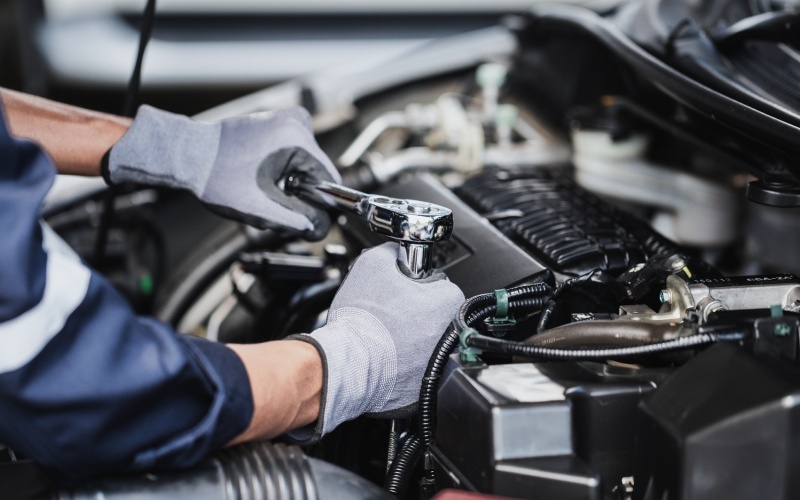
Drivers near Bel Air, MD often want to know whether insurance approval means the car is automatically safe to drive again. Approval is only part of the process. The actual repair must follow appropriate procedures, use proper parts, and include verification steps when safety systems are involved. At our collision center, the repair experience is built around reducing stress: no appointment may be needed for estimates, towing assistance is available through local partners, and a full rental fleet can help keep daily life moving. Insurer coordination is also important because direct communication can reduce delays and limit the need for customers to act as the go-between.
FAQ: Repairable vs. Totaled Vehicle Questions
Can I choose the collision repair shop after an insurance claim?
Yes. In Maryland, vehicle owners generally have the right to choose a preferred repair facility. An insurer may recommend a network option, but the final shop choice belongs to the vehicle owner. Choosing a shop that works with all insurance companies and has direct agreements with many major insurers can make the process smoother.
Does airbag deployment mean my vehicle is totaled?
Not always. Airbag deployment can increase repair cost because airbags, sensors, modules, seat belts, interior trim, and diagnostics may be involved. The vehicle is totaled only if the overall claim meets the insurer’s total loss criteria.
What happens if more damage is found after repairs begin?
The repair facility typically prepares a supplement with photos, notes, and updated repair needs. The insurance company reviews the supplement before authorizing additional work. This is common in collision repair and helps ensure hidden damage is not ignored.
Will a totaled vehicle always look badly damaged?
No. A vehicle with high mileage or lower market value can be totaled from damage that looks moderate, while a newer vehicle may be repaired after a more dramatic crash if the repair cost remains within the insurer’s threshold.
Move Forward With a Clear Repair or Total Loss Plan
When a vehicle is damaged, clarity matters. A professional estimate helps answer the questions most drivers care about: Is the vehicle safe to repair? How extensive is the damage? Will insurance approve the work? Could hidden damage change the decision? Jones Body Shop & Collision Center is prepared to help drivers near Bel Air, MD navigate those questions with practical support, direct insurance communication, and broad collision repair capabilities. Our team works with all insurance companies and has agreements with many major insurers, including recognized carriers listed on our website, which can help streamline claim communication. We also provide services that support the full repair journey, from 24/7 towing assistance through local partners to rental options, collision damage repair, windshield service, paintless dent repair, auto detailing, and interior restoration. Our I-CAR Gold Class Professionals designation reflects ongoing training for the changing technology and repair procedures found in today’s vehicles. If your car, truck, or SUV has been damaged and you are unsure whether it is repairable or headed toward total loss review, schedule an estimate and let our collision repair team help you take the next step with confidence.
Make an Inquiry
* Indicates a required field