

Paintless Dent Repair that Protects Your Paint and Value near Baltimore, MD
Paintless Dent Repair (PDR) restores body panels by reshaping metal from behind the surface without sanding, fillers, or repainting. For today’s aluminum and high-strength steel vehicles, that means retaining the factory e-coat and paint chemistry that protect against corrosion and color fade. In daily driving, most dents are door dings, errant shopping cart impacts, or storm-related hail — perfect candidates for PDR. When completed by trained technicians, PDR blends the panel back to its original contour, helping maintain accurate panel gaps, OEM body lines, and overall vehicle value.
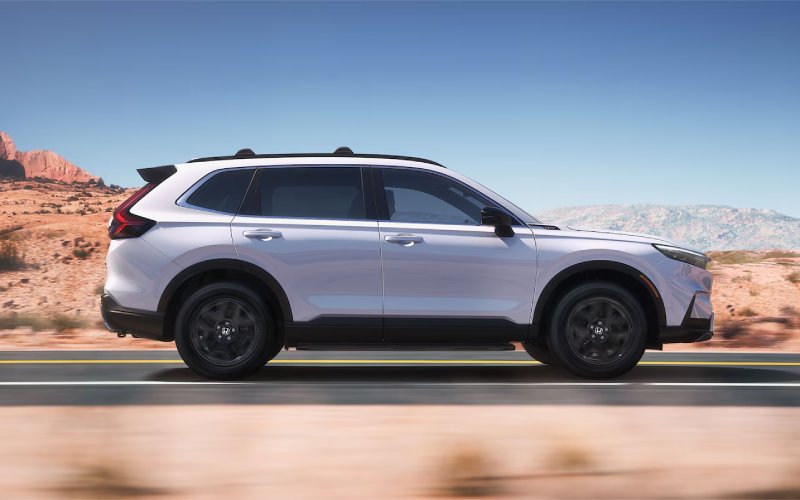
As vehicles pack more sensors into bumpers, doors, and quarter panels, a careful repair approach matters more than ever. PDR minimizes disruption to factory finishes and avoids overspray near cameras and ADAS components. It is also efficient — repairs are often completed faster than conventional methods, keeping you on the road with less downtime. For lease-turn or resale, PDR can be the difference between a clean appraisal and a deduction tied to visible refinish work. Many insurers recognize PDR as a first-choice method when damage qualifies, because it can reduce cycle time while preserving original materials.
Our team uses professional-grade lighting, panel-access tools, and calibrated glue-pulling systems to coax stretched metal back into shape. We evaluate each dent’s size, depth, location, metal type, and paint elasticity before recommending repair. If PDR is appropriate, we map the dent crown and micro-highs, then methodically release tension so the panel returns to form. For drivers near Baltimore, MD who want repairs that keep cars looking factory-correct, PDR delivers a clean, efficient solution that aligns with modern repair standards and helps protect long-term value and appearance.
What Sets Our PDR Approach Apart
- Factory finish preserved: PDR retains OEM paint and e-coat, avoiding color-match risks and overspray near trim and sensors.
- Faster turnaround: With no curing or repainting, qualified PDR repairs typically move through the shop more quickly.
- Value retention: Keeping original paint helps resale and lease-end inspections by avoiding refinish notations on condition reports.
- Eco-conscious process: PDR reduces materials use and VOCs because it requires no fillers or paint products.
- Insurance integration: Direct agreements with many major carriers streamline communication and approvals.
- Skilled technicians: I-CAR Gold Class training supports consistent technique across steel and aluminum panels.
- Full-service support: Available 24/7 towing, on-site estimates, rental options, and detailing make repair logistics easier.

Our goal is to make body repairs feel manageable from the first estimate through final delivery. We coordinate directly with participating insurers to document dents accurately, confirm eligibility for PDR, and outline any related procedures such as trim removal and panel access. If a dent sits behind bracing or in a tight cavity, we plan safe access that respects wiring, airbags, and moisture barriers. When travel or scheduling is tight, our available rentals, towing partners, and pick-up and delivery options help keep your day moving. Whether the dent is a single parking-lot ding or a hail pattern across the hood and roof, we map a plan that restores appearance, protects value, and respects OEM repair principles.
How PDR Works and Where It Excels
PDR starts with precision lighting that reveals the dent’s true shape, depth, and crown. Using reflection lines or LED boards, the technician reads high and low spots hidden to the naked eye. Next, we determine access. When the back of the panel is reachable, specialized rods gently massage metal upward in micro-increments. If access is blocked, controlled glue-pulling from the painted surface lifts the low area, then tap-down tools relax surrounding highs until the panel blends back to level. The work is slow by design — restoring tension and shape without cracking paint requires measured pressure and a steady hand.

Material matters. High-strength steel springs differently than mild steel, and aluminum requires more finesse because it work-hardens. Our process accounts for metal memory, paint elasticity, and panel bracing to prevent overcorrection. Even when a dent looks sharp, we often improve or fully correct it with a hybrid approach — a combination of push and pull techniques. Edges and body lines demand extra care, as OEM stampings and creases can amplify tool feedback. When a dent overlaps a sensor mount, we verify that components remain undisturbed and recalibrate if additional repairs require it.
Quality checks include re-lighting panels at multiple angles, verifying panel gap consistency, and feeling for micro-waves that can appear after a pull. If a dent proves partially repairable, we discuss blending options that minimize refinish area. By keeping original paint intact whenever possible, we limit the footprint of any conventional refinish that may be needed. This disciplined process is how Jones Body Shop & Collision Center delivers PDR results that look natural, hold up over time, and align with insurer expectations and OEM repair guidelines.
Is Your Dent a Candidate? Key Indicators
- Paint condition: If paint is intact and not cracked or flaking, PDR is more likely to be successful.
- Dent size and depth: Small to moderate dents with gradual crowns respond best; extreme depth limits elasticity.
- Location: Flat panel areas are ideal; very tight corners, double-metal areas, or panel edges can be more complex.
- Metal type: Both steel and aluminum can be repaired; aluminum often requires more time and technique.
- Prior repairs: Repainted or heavily filled panels may not tolerate pushing or pulling without paint damage.
- Hail density: High counts of small dents across hood, roof, and trunk are classic PDR candidates.
- EV considerations: Access and tool paths are planned around high-voltage components and battery enclosures.

Many dents that appear severe at first glance are still good PDR candidates, especially when the crown is accessible and the paint remains flexible. Some sharp creases can be eased significantly, improving sightlines and reflections even if a full invisible repair is not feasible. When a dent crosses a body line or sits at a panel edge, we may propose a hybrid strategy that blends PDR with minimal conventional work to keep the refinish area as small as possible. If a dent is not suitable for PDR, our collision team can transition to factory-approved structural and cosmetic repair methods, including panel replacement, refinish, and glass services — all planned with the same disciplined, insurer-coordinated process.
Frequently Asked Questions:
What types of dents are best for Paintless Dent Repair?
Door dings, shopping cart impacts, and hail dents with intact paint are ideal. Gradual, shallow dents on open panel areas respond best, while cracked paint or edge damage may require conventional methods.
Will PDR damage my paint or finish?
No. PDR is specifically designed to preserve the original finish by reshaping metal without sanding, filler, or repainting. We use controlled lighting and measured tool pressure to protect OEM coatings.
How long does a typical PDR repair take?
Many single dents are completed the same day, while hail events or complex aluminum panels can take longer. We provide time estimates after inspection and coordinate any trim removal or reassembly in advance.
Do you work with my insurance company?
Yes. We maintain direct relationships with many major insurers and handle documentation, photos, and communication to streamline approvals and payment, reducing the need for you to act as a go-between.
Can aluminum panels be repaired with PDR?
Yes. Aluminum demands additional finesse because it work-hardens, but with the right tools and technique we often achieve excellent results on hoods, doors, and liftgates.
What if I need transportation while my car is being repaired?
We can help arrange a rental from our available fleet and coordinate timing so you stay mobile. If logistics are challenging, ask about pick-up and delivery options to simplify your schedule.
Do you offer towing if my vehicle is not drivable?
Yes. We partner with local towing providers to offer 24/7 assistance and can coordinate transport directly to our facility for evaluation.
Where do you provide PDR services?
Our collision center serves drivers throughout Harford County and surrounding communities, supporting customers near Baltimore, MD with convenient access and insurer-integrated repair planning.
What if PDR is not possible on my dent?
If PDR is not the right approach, we can transition to OEM-approved structural and cosmetic repair, including panel replacement and refinish, and we will explain options clearly before any work begins.
Next Steps and How to Get Started
Ready to address dents the right way — with your original paint intact and your vehicle’s value protected? Schedule an estimate, stop by during our regular hours, or call to speak with a member of our team about your specific damage. We will inspect your vehicle under professional lighting, confirm whether PDR is suitable, and outline a clear plan and timeline that fits your schedule. If repair logistics are a concern, lean on our support — from 24/7 towing and coordinated rentals to available pick-up and delivery — so you can keep your day moving while we focus on the details.
We approach every repair with the same disciplined process: accurate assessment, respectful access to panels and components, careful metal reshaping, and thorough quality checks before reassembly and delivery. Our goal is to return your vehicle looking like it should — clean body lines, smooth reflections, and no new paint where it is not needed. If a dent requires conventional methods, we will explain why and how we will minimize the refinish footprint while aligning with factory repair procedures.
For a streamlined, professional repair journey rooted in training, tools, and insurer coordination, choose Jones Body Shop & Collision Center. Bring us your door dings, hail dents, and parking-lot surprises, and let our PDR specialists evaluate the best path forward for your vehicle.
Make an Inquiry
* Indicates a required field