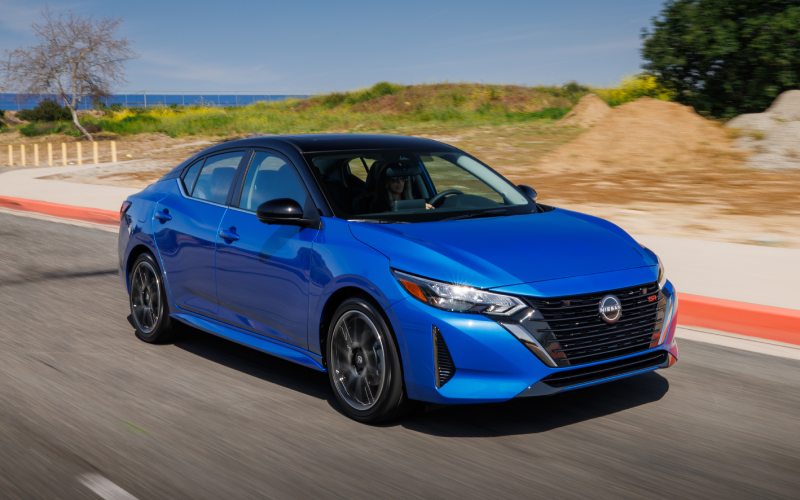
Nissan Safety Shield 360 and ProPILOT Assist Calibration Guidance for Fallston, MD Drivers
Jones Body Shop & Collision Center - Nissan Safety Shield 360 and ProPILOT Assist Calibration Guidance for Fallston, MD Drivers
Nissan Safety Shield 360 and available ProPILOT Assist bring camera, radar, and ultrasonic sensors together to warn, assist, and, in some scenarios, automatically intervene. After a collision or glass work, those systems may not simply “self-correct.” Cameras can shift by a fraction of a degree, radar aim can be influenced by bumper cover thickness or brackets, and wheel alignment or ride height can nudge sensors out of the sweet spot. Accurate Nissan calibration starts with a truthful assessment—scans to see what the modules report, measurements to ensure the body is straight, and a plan that follows current OEM instructions. When a repair blueprint calls for calibration, technicians set up level floors, measure distances to target boards, and verify lighting and symmetry before starting static or dynamic procedures. Only then can the system “see” the world as designed.
Even minor repairs can ripple through ADAS performance. A windshield replacement, for example, affects the forward-facing camera mount and the glass’s optical clarity. Bumper refinishing, if not controlled, can add thickness that dampens radar sensitivity or alters the way sensors read lane edge, vehicles ahead, or cross-traffic. Wheel alignment, steering angle reset, and ride height checks are equally important—ProPILOT Assist depends on accurate geometry to maintain lane centering and following distance. The best practice is sequence-based: scan, repair, measure, calibrate, and validate on a safe road test with data capture. That approach protects the owner and preserves system reliability over time.
- Pre-scan and post-scan confirm electronic health
- Body and alignment measurements validate structural accuracy
- Camera and radar aim follow Nissan procedures
- Controlled refinishing preserves sensor performance
- Road test verifies real-world function
If a Nissan is equipped with rear automatic braking, blind spot systems, or driver attention alerts, each feature relies on sensor placement and clean data. Replacing a camera without aiming it, or failing to verify the steering angle sensor, can lead to nuisance warnings or silent failures. The right shop documents calibrations, retains reports for your records, and explains why steps were required—clarity that helps when insurers review the file or buyers evaluate the vehicle later. For families, that diligence translates to consistent alerts, smoother assistance, and fewer surprises on busy roads.
Our calibration mindset extends to glass and parts choices. Nissan procedures may recommend specific brackets, fasteners, or OEM glass to maintain camera geometry and clarity. When options exist, a transparent conversation about benefits and trade-offs helps you decide. The same is true for bumper covers, emblems with embedded radar, and grill assemblies—small deviations can cause large sensor errors. One careful blueprint beats guesswork every time.
Jones Body Shop & Collision Center aligns calibrations with Nissan guidance, pairs them with structural and refinishing accuracy, and confirms results through road testing and documentation. For area drivers, we are serving Fallston, Bel Air, and Forest Hill with a process that protects safety systems and respects your time. The outcome you want is simple—assistance that works when it matters. The way to get there is methodical: diagnose, repair, calibrate, validate, and communicate every step so you drive away confident.