
Hidden Collision Damage and Insurance Supplements for Forest Hill, MD Drivers
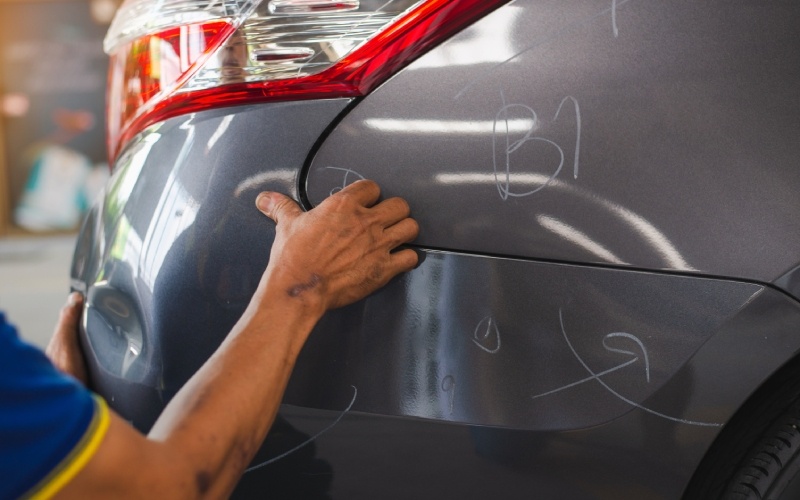
Jones Body Shop & Collision Center - Hidden Collision Damage and Insurance Supplements for Forest Hill, MD Drivers
After a collision, the first estimate is often only the beginning of the repair story. Many Forest Hill, MD drivers see a dented bumper, scratched fender, cracked headlight, or misaligned door and assume the damage is fully understood. In reality, modern vehicle construction can hide important repair needs behind panels, trim, liners, reinforcements, and electronic components. A vehicle may look mostly intact on the outside while concealed brackets, impact absorbers, wiring connectors, radar mounts, or structural areas need attention before the repair can be completed properly.
This is where an insurance supplement becomes important. A supplement is not a surprise fee or a sign that the original estimate was careless. It is a normal part of collision repair when additional damage is found after teardown. The first estimate is based on visible damage and accessible inspection points. Once technicians remove damaged parts and inspect the layers underneath, the repair plan may need to be updated. For commuters traveling between Forest Hill, Bel Air, Fallston, and Baltimore, understanding supplements can make the insurance process feel less confusing and more manageable.
Why Hidden Damage Is So Common After a Collision
Vehicle exteriors are designed to absorb and distribute impact energy. Bumpers, covers, fenders, grille assemblies, liftgates, doors, and quarter panels are only part of the safety structure. Behind those visible parts are reinforcements, crush zones, sensors, harnesses, brackets, absorbers, and mounting points. These components can bend, crack, shift, or separate during a collision, even if the outer panel pops back into shape or shows only moderate damage.
For example, a low-speed rear impact in a parking area may leave a bumper cover with scuffs and small dents. Underneath, the absorber may be compressed, the reinforcement may be damaged, or the rear body panel may be distorted. A front-end collision may affect headlights, radiator supports, air intake components, camera brackets, radar units, and hood alignment. Side damage may involve door shells, hinges, intrusion beams, rocker panels, or paint blending across adjacent panels. Supplements help ensure those hidden problems are documented and reviewed before the repair is finalized.
What an Insurance Supplement Usually Includes
When additional damage is discovered, the repair facility prepares updated documentation for the insurer. This usually includes photos, part details, labor operations, repair notes, and an explanation of why the added work is necessary. The insurance company then reviews the supplement and determines whether the additional repairs are covered under the claim. This communication is especially important when a vehicle has advanced safety systems, specialized paint, frame damage, or components that require manufacturer-guided procedures.
- Photos: Clear images show the hidden damage after parts are removed and help the insurer understand the updated repair need.
- Parts documentation: The supplement identifies additional parts such as brackets, reinforcements, clips, sensors, lamps, glass, or trim pieces.
- Labor updates: Added labor may include disassembly, structural repair, refinishing, diagnostics, calibration, or reassembly steps.
- Repair notes: Written explanations connect the added damage to the collision and support the reason for the supplement.
- Insurance review: The insurer evaluates the supplement before authorizing the additional repair work under the claim.
At our collision center, we work with all insurance companies and have direct agreements with many major insurers. That matters because supplement communication can move more smoothly when the repair facility and insurer can exchange documentation directly. It also helps reduce the burden on the vehicle owner, who may already be managing transportation, work schedules, school drop-offs, and claim questions.
How Supplements Affect Repair Timelines
A supplement can extend the repair timeline, but the extra time is often necessary to protect repair quality. The shop may need to pause certain repairs while waiting for insurer review, part approval, or delivery of newly identified components. If structural repair, paint blending, windshield replacement, or safety system calibration is involved, each step must be coordinated in the correct order. Rushing past hidden damage can lead to fitment problems, warning lights, wind noise, water leaks, uneven panel gaps, or safety concerns.
Drivers often ask whether a supplement means the vehicle will be totaled. Not automatically. A supplement increases the total repair cost, but the insurer still compares the updated estimate with the vehicle’s pre-accident value, salvage value, policy guidelines, and applicable total loss rules. For a newer vehicle, a supplement may simply refine the approved repair plan. For an older vehicle or one with higher mileage, added damage may bring the claim closer to total loss evaluation. The key is documentation, because accurate information helps everyone make a better decision.
Signs Your Vehicle May Have Hidden Damage
Some hidden damage is only visible during professional disassembly, but certain symptoms should prompt a closer inspection. Forest Hill drivers who rely on vehicles for daily travel along Route 24, Route 1, and nearby Harford County roads should not ignore changes in how a vehicle looks, sounds, or feels after an impact. Even minor-looking damage can affect alignment, safety systems, or body sealing.
- Uneven gaps: Doors, hood, trunk, liftgate, or fenders no longer line up evenly after the crash.
- Warning lights: Dashboard alerts appear for airbags, sensors, cameras, parking assist, blind spot monitoring, or stability systems.
- Fluid leaks: Coolant, washer fluid, oil, or other fluids appear after a front, rear, or underbody impact.
- Unusual noises: Rattles, rubbing, wind noise, or clunks develop after the collision.
- Steering changes: The vehicle pulls, vibrates, or feels unstable, which may point to suspension or alignment concerns.
If any of these signs appear, a professional collision inspection is the right next step. Our team can evaluate visible and concealed damage, help document insurance needs, and explain whether the vehicle appears repairable based on the information available at the time. A careful inspection supports a safer repair plan and gives the insurer better information to review.
Why Choosing the Right Repair Partner Matters
Insurance supplements require organization, communication, and technical knowledge. A repair facility should understand body repair, paint systems, frame repair, windshield service, sensor considerations, and insurer documentation. Our I-CAR Gold Class Professionals designation reflects ongoing training for the changing procedures and vehicle technologies in the collision repair industry. That training is valuable because today’s vehicles are more complex than older models, and proper repairs often involve more than replacing the most obvious damaged panel.
Convenience also matters during a supplement review. Towing assistance through local partners, rental vehicle support, and direct insurance communication can reduce stress while the claim is being updated. For families, commuters, and local business owners around Forest Hill, a clear process can make the difference between uncertainty and confidence. The goal is not simply to make the vehicle look better. The goal is to restore the vehicle with attention to safety, fit, finish, and function.
Frequently Asked Questions:
Is an insurance supplement common after collision repair begins?
Yes. Supplements are very common because the first estimate is based largely on visible damage. Once damaged panels or parts are removed, hidden damage can be documented and submitted for insurer review.
Do I have to handle the supplement myself?
Usually, the repair facility prepares the supplement and communicates with the insurance company. Drivers may still receive claim updates, but direct shop-to-insurer communication can make the process easier.
Can a supplement change a repairable vehicle into a total loss?
Yes, it can happen if added damage significantly increases the repair cost. The insurer compares the updated total with the vehicle’s value and claim guidelines before making a final decision.
Should I keep driving if the damage looks minor?
It depends on the type of damage. If warning lights, leaks, steering changes, broken lights, loose panels, or sensor concerns are present, a professional inspection is recommended before normal driving continues.
Hidden damage and insurance supplements are part of the modern collision repair process, not something drivers need to fear. With the right repair partner, each step can be explained clearly, documented properly, and coordinated with the insurer. If your vehicle was damaged around Forest Hill, MD and you are unsure whether the first estimate tells the full story, our team is ready to help review the damage, support the claim process, and guide your next decision with care.