Ford Aluminum Body Repair Essentials for Forest Hill, MD Drivers
Jones Body Shop & Collision Center - Ford Aluminum Body Repair Essentials for Forest Hill, MD Drivers
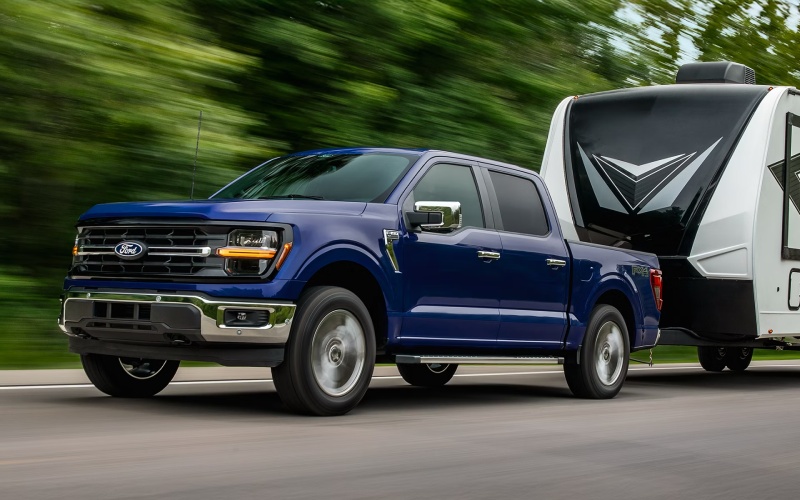
Aluminum is central to how modern Ford trucks and SUVs balance strength, payload, and fuel efficiency, with the F-150 standing out for its extensive use of military-grade aluminum alloy. That smart material mix requires a different repair mindset than traditional steel. The goals are straightforward—restore crash energy management, preserve corrosion protection, and match panel fit and finish—but the steps to get there are unique. Repairs should isolate aluminum from steel tools and dust, leverage adhesive bonding and solid or rivet-backed repairs where OEM procedures specify, and verify structural dimensions before and after the work. For Forest Hill drivers, choosing a body shop that understands these nuances is the most important decision you will make after an accident or storm damage.
Preparation and process matter as much as equipment. Blueprinting reveals hidden damage in aprons, rails, and inner structures that could compromise gaps and drivability later. Pre- and post-repair scans confirm module health, while calibration planning ensures driver-assist features are addressed if a bumper, grille, or windshield is involved. Aluminum sanding and shaping must control heat and avoid overworking the metal, and panel bonding requires the correct adhesives, cure times, and surface prep. Finally, corrosion control—seam sealer, cavity wax, and paint film thickness checks—protects your investment long after the repair is finished.
- Dedicated aluminum tooling: Prevents cross-contamination that leads to galvanic corrosion and finish defects.
- OEM-referenced procedures: Guides sectioning limits, panel bonding, fastener strategy, and weld counts for Ford models.
- Dimensional verification: Ensures rails, pillars, and aprons meet spec before refinishing and reassembly.
- Calibration planning: Addresses cameras, radar, and sensors affected by glass, bumper, or structural work.
- Corrosion defenses: Incorporates primers, sealers, and cavity wax for lasting durability.
- Color blending strategy: Maintains visual consistency across adjacent panels under different lighting.
For everyday dents and dings, paintless dent repair may be eligible even on aluminum, as long as access and panel memory allow. Larger impacts that crease edges or disrupt body lines typically call for panel repair or replacement. Either way, transparent documentation—photos, measurements, and scan reports—helps you and your insurer understand the work completed. A shop’s training matters as well; I-CAR coursework and brand-specific updates keep technicians current on adhesives, isolation techniques, and repair limits. That training pays off in panel fit, reduced rework, and long-term appearance.
If you are comparing shops, ask a few specific questions. Do they isolate aluminum tools and dust extraction. Will they share pre- and post-repair scan reports. How do they validate sensor alignment after glass or bumper service. What is their approach to seam sealing, cavity wax, and film builds for refinish durability. Answers to those questions quickly separate general repair from aluminum-ready capability. When the work calls for careful bonding and rivet repair, precise refinishing, and calibration coordination, choosing once—and choosing well—protects both safety and value. Jones Body Shop & Collision Center brings a process-first mindset to aluminum repair, serving Fallston, Bel Air, and Forest Hill with the training, documentation, and communication that help your Ford feel right the first time back on the road.