
Dodge ADAS Camera and Radar Calibration — Confidence for Bel Air, MD Drivers
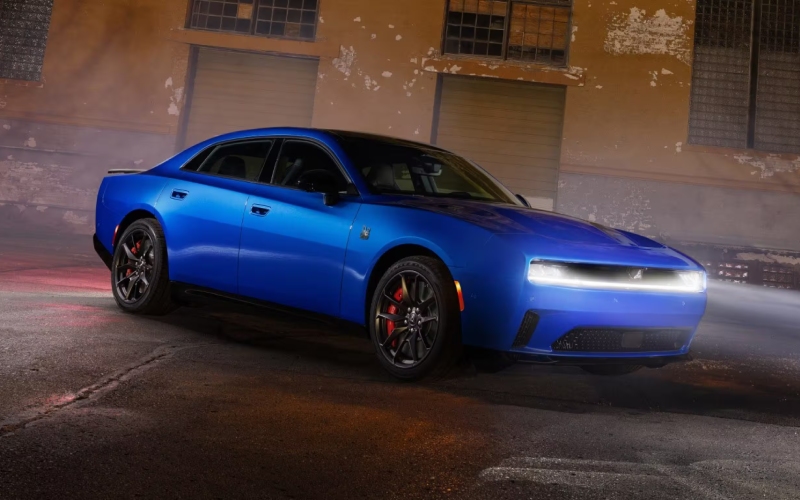
Jones Body Shop & Collision Center - Dodge ADAS Camera and Radar Calibration — Confidence for Bel Air, MD Drivers
Modern Dodge vehicles pack a powerful blend of performance and protection. Features like Full-Speed Forward Collision Warning, Adaptive Cruise Control with Stop, LaneSense Lane Departure Warning, Blind-Spot Monitoring, Rear Cross Path Detection, and ParkSense Park Assist are engineered to reduce risk—yet these systems depend on exact camera and radar alignment. After even a minor collision, bumper repair, or windshield replacement around Bel Air, drivers should plan for ADAS calibration as part of a complete, safe repair. Calibrations aren’t guesswork: they require OEM procedures, verified measurements, and scan-backed confirmation. The result is more than a dash light turning off—it’s restored confidence that your Dodge can read the road and react when it matters.
Think of ADAS as a team that needs perfect choreography. The forward radar behind the grille or bumper cover must “see” straight ahead; the windshield-mounted camera must read lane markers accurately; and the wheel alignment, ride height, and tire sizing must fall within Dodge specs. If any single input is off, you can see warning lights, inconsistent braking assists, or false alerts. Bel Air’s mix of city streets, US-1 traffic, and steady I-95 speeds means your Dodge relies on these assists constantly—from blind-spot checks during busy merges to collision warnings during sudden slowdowns. The right calibration aligns each sensor physically and digitally, validates the results with a post-repair test drive on marked roads, and documents the outcome in the repair file.
So, when does calibration enter the picture? More often than many drivers expect. Any structural or fascia repair around the front or rear of the vehicle, any windshield R&I or replacement, suspension work that alters ride height, or even disconnecting relevant harnesses can trigger the need to recalibrate. For popular models like the Charger, Challenger, Durango, and Hornet, we reference Dodge procedures that outline static and dynamic steps—placing precision targets at exact distances and angles inside the shop, then performing dynamic validations at specific speeds on well-marked roads. The aim is to restore the car’s decision-making tools to factory accuracy, not just silence a fault code.
Calibration also relies on prep steps many drivers never see. Battery support ensures stable voltage during scans and software routines. Ride height checks confirm that spring or tire changes haven’t skewed camera pitch. A four-wheel alignment may be necessary, and we reset the steering angle sensor when required so lane centering and stability controls behave predictably. After repairs, we run a full vehicle pre- and post-scan to catch stored faults and confirm clean system health. It’s a disciplined sequence—and for ADAS, discipline is the difference between “works sometimes” and “works when you need it.”
- Common triggers for Dodge ADAS calibration: Front or rear collision damage; bumper cover or grille replacement; windshield repair or replacement; suspension or steering work; sensor bracket replacement; wiring or module service.
- What a quality calibration includes: OEM procedure lookup; certified scan tools; target board setup; alignment and ride height checks; static and dynamic aiming; documentation with test drive notes.
- Symptoms of misalignment: False collision warnings; intermittent lane departure alerts; ACC unavailable messages; wandering or inconsistent steering assists; warning lamps that return after clearing.
Bel Air drivers often ask about insurance. In many cases, calibration is a necessary step tied to the repair and is addressed within the overall claim—especially when OEM procedures specify it after particular component replacements. Having direct communication with insurers, documented scans, and photos speeds authorization. It helps to start with a thorough estimate that identifies sensor locations, the type of damage, and all parts influencing ADAS performance. That way, nothing crucial is left to chance or added late in the game.
Color match and panel fit still matter, of course—your Dodge should look as sharp as it drives. But for vehicles loaded with safety tech, accuracy behind the paint is just as important. A Durango with Pitch Black paint and a freshly blended bumper also needs a forward radar that reads distance in feet, not feet plus guesswork. A Charger with a new windshield needs a camera that can actually “see” the lane markers on MD-24 at dusk. When the details are handled correctly, your ADAS assists feel natural—quietly supporting you rather than interrupting with false alarms.
We keep the process clear from the first conversation. You’ll know what systems your Dodge carries, what the repair will touch, and how calibration fits the plan. We’ll outline the expected sequence—inspection, estimate, insurer approval, parts, body and paint, calibration, scans, and a documented road test—so timing makes sense and the final handoff is smooth. That roadmap also helps if you commute between Forest Hill and Bel Air or make regular trips toward Jarrettsville, since it clarifies when to arrange alternate transportation.
Whether you’ve had a minor bumper tap or a windshield crack that spread across your field of view, the safest path back to normal is one that respects OEM guidance and verifies results. That’s the standard we apply at Jones Body Shop & Collision Center, with the training, equipment, and documentation practices that modern Dodge systems require. If you’re weighing your next step, start with a thorough estimate and a plan built around the car’s technology as much as its sheet metal. The outcome is simple—your Dodge looks right, drives right, and its safety tech works right, too, serving Bel Air, Forest Hill, and Jarrettsville.
Frequently Asked Questions:
Do all windshield replacements require camera calibration on my Dodge?
Most late-model Dodges with LaneSense or auto high-beam control do. The OEM procedure will specify a static and/or dynamic calibration after glass work.
Can I drive while waiting on calibration?
If systems show warnings or are disabled, it’s best to complete calibration promptly. Your estimate will explain any temporary limitations.
What if my bumper looks fine—do I still need radar aiming?
Even small shifts behind the cover can skew radar angle. If the cover or brackets were removed or replaced, aiming is typically required.
Is a wheel alignment always part of calibration?
Not always, but if alignment or ride height is out of spec, the calibration can fail or produce poor results. We check these first.
How do you confirm success?
We verify with OEM-compatible scans, calibration reports, and a documented test drive that exercises the relevant ADAS features on suitable roads.